Tourists in Vittorio Veneto have the opportunity to visit 8 museums, second only to Treviso in terms of museums in the province.
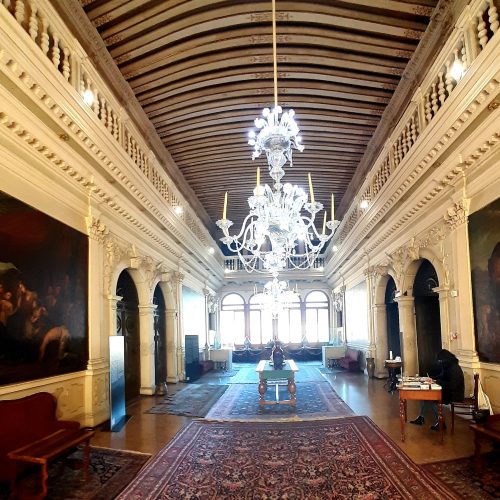
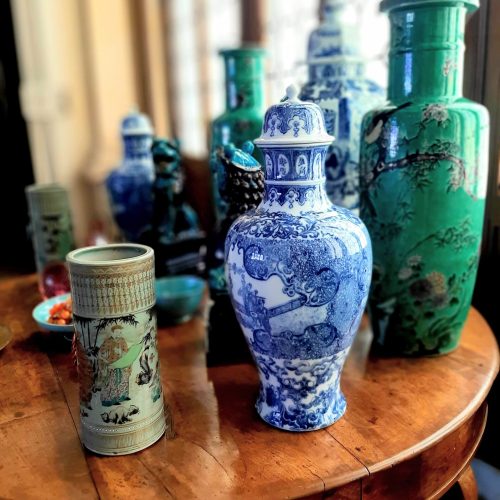
In Serravalle we find the Cenedese Museum, housed in the ancient municipal palace. Here we also find Palazzo Minucci De Carlo, where we can admire the important collection of Camillo De Carlo, who was a secret agent during the two world wars and was a passionate art collector.
Museo del Cenedese
In the centre there is an elegant villa from the end of the 19th century that functions as the “Vittorio Emanuele” Civic Gallery ( Villa Croze) with beautiful works of art from the Venetian 20th century and the area.
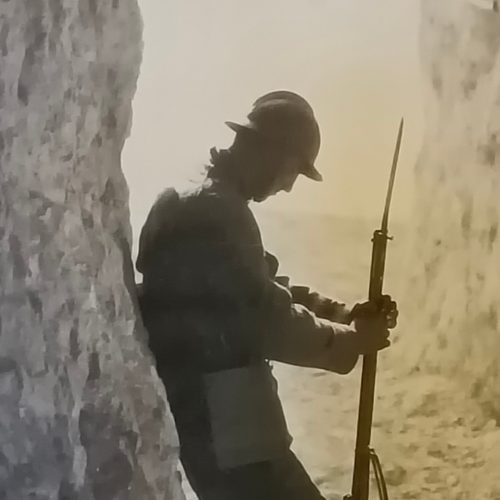
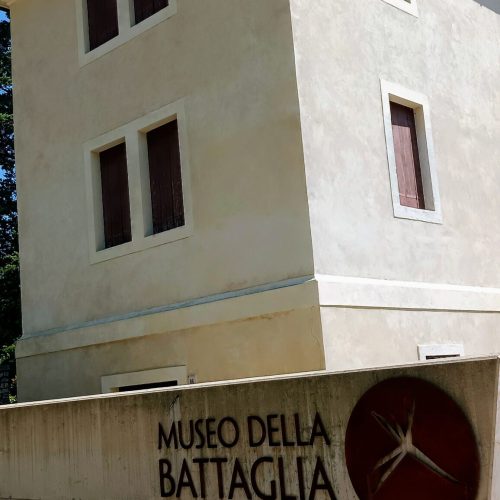
In Ceneda , in the historic centre, we can visit no less than four museums. The most important and interesting is certainly the Museo Della Battaglia due to Vittorio Veneto’s fundamental role during the First World War .Here we can find a multitude of stories, tales, fragments and more. All collected and presented in the splendid setting of a building that was once the town hall. Don’t forget the ‘Aula Civica’ where in between 1842 and ’44, historical scenes were painted by Giovanni De Min. Representations that cover almost the entire walls and ceiling.
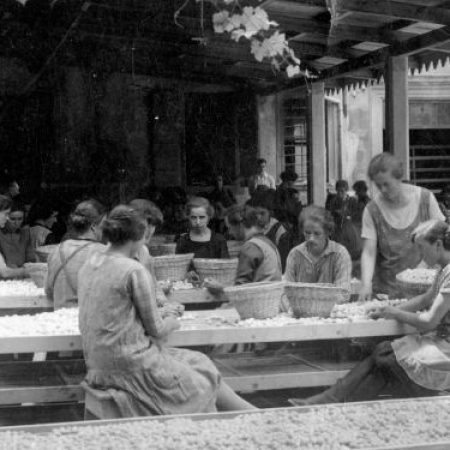
At San Giacomo, the Silkworm Museum will illustrate the local tradition of breeding silkworms for silk processing, and emphasis will be placed on the hard work done by the women of that time.
Silkworm breeding played a fundamental role in the Victorian economy for a long time, also characterising the landscape with the presence of mulberry trees scattered almost everywhere, of which numerous specimens still remain. Silkworm breeding began as a small family activity, supplementary to agricultural work, and then became increasingly important.
In 1873, the Royal Observatory was established and subsequently, also thanks to this significant presence, numerous bacological research centres sprung up, bringing the Vittorio Veneto silkworm industry to the forefront nationally. The breeding of worms, work in spinning mills and in bacological centres involved the vast majority of the local population, up until the recent past.
The Museum therefore intends to restore some traces of these personal and collective memories, through material of great interest that once belonged to private individuals and companies that had operated in the bacological field, in order to tell the new generations and external visitors about the complex agricultural, industrial, scientific and social world that for a long time revolved around this very useful insect.